Strengthening Resilience Knowledge
Resiliency Academy
Since 2020, the Resiliency Academy has offered accessible, timely webinar series that strengthen resilience knowledge, practical skills, and leadership capacity for professionals across sectors. Since its launch, the Academy has experienced significant and sustained growth in participation.
2026 Resiliency Academy
Exploring What Resilience Looks Like
March–December, 2026
This comprehensive webinar series explores the principles, tools, and strategies needed to understand and strengthen resilience in social, ecological, and community systems. Every session is designed to build sequentially, deepening understanding and skills over the course of the 10-session series.
Participants will examine how natural and human systems experience change and variability, analyze vulnerabilities and risks, and explore approaches for reducing hazards and promoting adaptive capacity.
The series emphasizes systems thinking, equity, and justice, providing practical guidance on decision-making, change management, and effective communication.
Through these sessions, attendees will gain the knowledge and skills to design inclusive, evidence-based strategies that enhance resilience across communities, organizations, and interconnected systems.
Our Next Event: Thursday, April 16
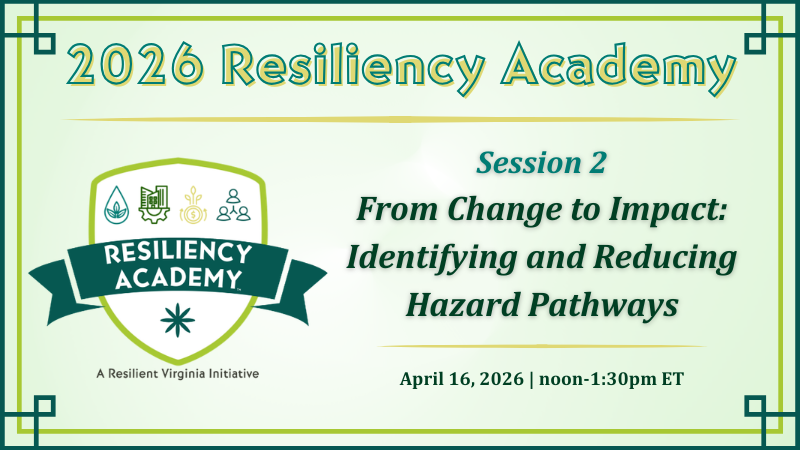
From Change to Impact: Identifying and Reducing Hazard Pathways
Date: Thursday, April 16th
Time: Noon – 1:30 pm ET
Partner Cost: $16 |Non-Partner Cost: $20
All Resilient Virginia partners are eligible for discounted event registration.
Learn more about becoming a partner and join today to receive a discount on Resiliency Academy registration.
About Our Speaker
Dr. Katie Trozzo
The 2026 Resiliency Academy webinar series explores the principles, tools, and strategies needed to understand and strengthen resilience in social, ecological, and community systems. Every session is designed to build sequentially, deepening understanding and skills over the course of the 10-session series.
The second session will focus on expert scoping — an essential process for identifying community hazards and developing practical, forward-looking solutions.
Find Out More About Our Speakers Below

Paul Robinson
Paul Robinson, Ph.D., is the founder and Executive Director of RISE, a Norfolk-based nonprofit committed to driving innovation and business growth for the most challenging problems faced by coastal communities. RISE has established the exclusive one-stop shop and living lab for coastal resilience entrepreneurs. Since 2018, RISE has provided over $10 million in financial support and services to support over 40 businesses in creating new, scalable products that enable communities to adapt to environmental hazards such as flooding and sea level rise. In addition to his work at RISE, Dr. Robinson is the founder and CEO of AeroTech Research, a company specializing in weather hazard detection for aircraft, and holds 8 patents in this area. He has also served as a Senior Advisor to Focus Investment Bank in the areas of Government, Aerospace, and Defense, and was a member of a local angel investment group, 757 Angels.
Bruce Hull
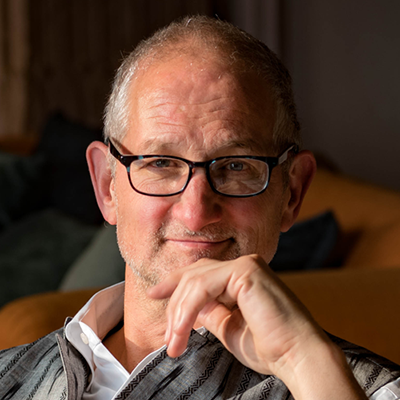
Bruce Hull, Ph.D., teaches, writes, and consults on systems thinking, leadership, and climate change in a time of political polarization. He is on the faculty of Virginia Tech's Center for Leadership in Global Sustainability.
Luis Ortiz
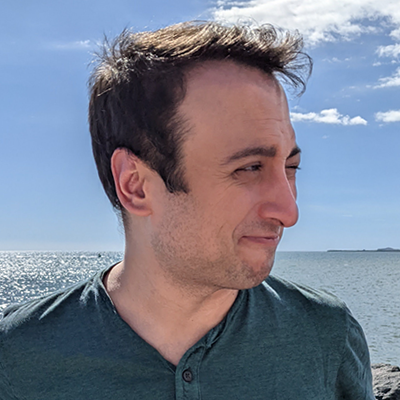
Luis Ortiz, Ph.D., is an assistant professor of climate applications at George Mason University's College of Science. Before joining GMU, Dr. Ortiz worked as a fellow at the Office of the US Secretary of Transportation where he worked on climate change, environmental justice, and permitting. His expertise is in the field of urban climate, where he investigates the links between built environments and the atmosphere, as well as the impacts of those links on people and infrastructure. Dr. Ortiz dedicates significant effort to climate science translation and regional assessments through his leadership roles at the Virginia Climate Center (VCC) and appointment to the 5th New York City Panel on Climate Change (NPCC). He is a lead author of the First Virginia Climate Assessment published in 2025 and contributed to several chapters of the NPCC on topics ranging from extreme heat and humidity to drivers of regional climate change.
Molly Mitchell
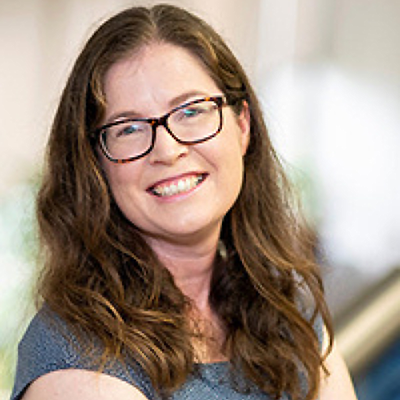
Molly Mitchell, Ph.D., is an Assistant Professor at William & Mary's Virginia Institute of Marine Science. Her research interests focus on shifts in coastal resources due to the interaction of sea level rise and human-driven changes. Although primarily an ecologist, she works on projects involving physical dynamics (sea level rise trend analysis, shoreline geology) and human decision making (social vulnerability, sea level rise adaptation, adaptive management application). She works with representatives from many different groups to help translate research and current scientific understanding into practical recommendations.
2026 Resiliency Academy Topics
MARCH
Change Happens: Making Sense of Variability Across the Systems We Depend On
APRIL
From Change to Impact: Identifying and Reducing Hazard Pathways
MAY
Risk and Vulnerability Explained: How Lives, Systems, and Perceptions Shape Outcomes
JUNE
Proactive Resilience: Planning, Adapting, and Mitigating Hazards Before They Strike
JULY
Seeing the Bigger Picture: How Systems Thinking Builds Resilient Communities
AUGUST
Closing the Opportunity Gap: Ensuring Equitable Access to Essential Resources
SEPTEMBER
The Essentials of Change Management: Guiding Communities Toward Resilience
OCTOBER
Understanding Decisions: How Individuals, Organizations, and Political Systems Shape Resilience
NOVEMBER
Building Shared Meaning: Communication Approaches for Multi-Sector Resilience Efforts
DECEMBER
Putting It All Together: Showcasing Resilience in Action
Resiliency Academy Archives
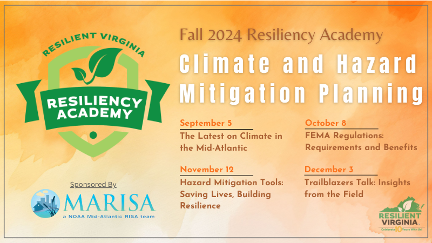
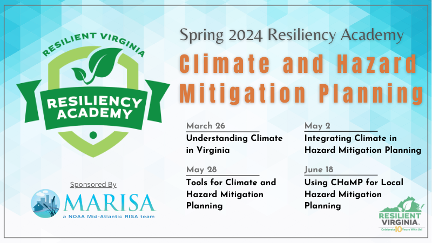
Climate and Hazard Mitigation Planning
SPRING AND FALL 2024
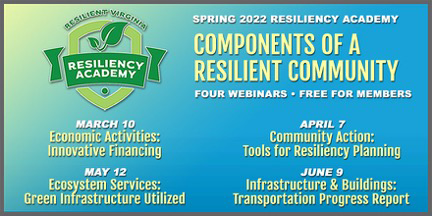
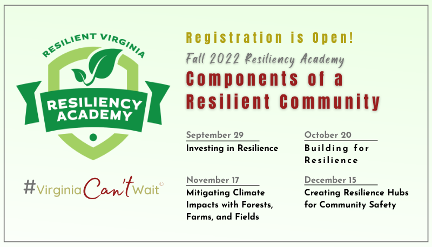
Components of a Resilient Community
SPRING AND FALL 2022
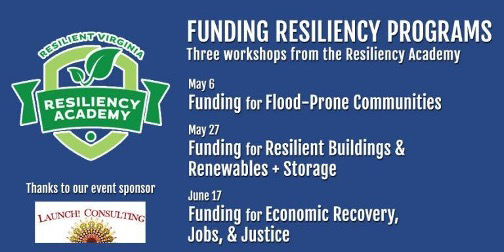
Funding Resiliency Programs
SPRING 2021
Four Resiliency Planning Guides
Fall 2020