Collaborating on Resilience Solutions
Resilient Virginia Collaborative Alliance
Turning Collaboration into Impact
Through focused working groups the RVCA drives local solutions, improves community health and security, and scales impact across Virginia. These results are only possible through collective action, shared expertise, and a commitment to building resilience together.

Regional Resilience Roadmap for Central and Southwest Virginia
Playbook and Frameworks: Excerpts from the Full Roadmap
The Regional Resilience Roadmap for Central and Southwest Virginia provides a shared framework for guiding long-term investment, collaboration, and action across the region. Developed with local governments, businesses, community organizations, and residents, the roadmap identifies top priorities, key challenges, and ongoing resilience efforts.
It highlights pressing issues—like climate impacts, aging infrastructure, funding gaps, and economic transitions—while identifying regional assets and initiatives that can strengthen communities, protect natural resources, and support economic stability.
- By setting shared priorities and strategies, the roadmap helps the region:
Attract public and private investment through a unified vision. - Strengthen cross-sector collaboration and reduce duplication.
- Prepare communities for emerging risks and opportunities.
- Advance equity so all residents benefit from resilience efforts.
- Protect natural and cultural resources vital to the region’s identity and health.
Serving as both a guide and a tool for coordination, the roadmap empowers leaders to align resources, build partnerships, and take collective action—helping Central and Southwest Virginia thrive in a changing world.
RVCA Working Groups
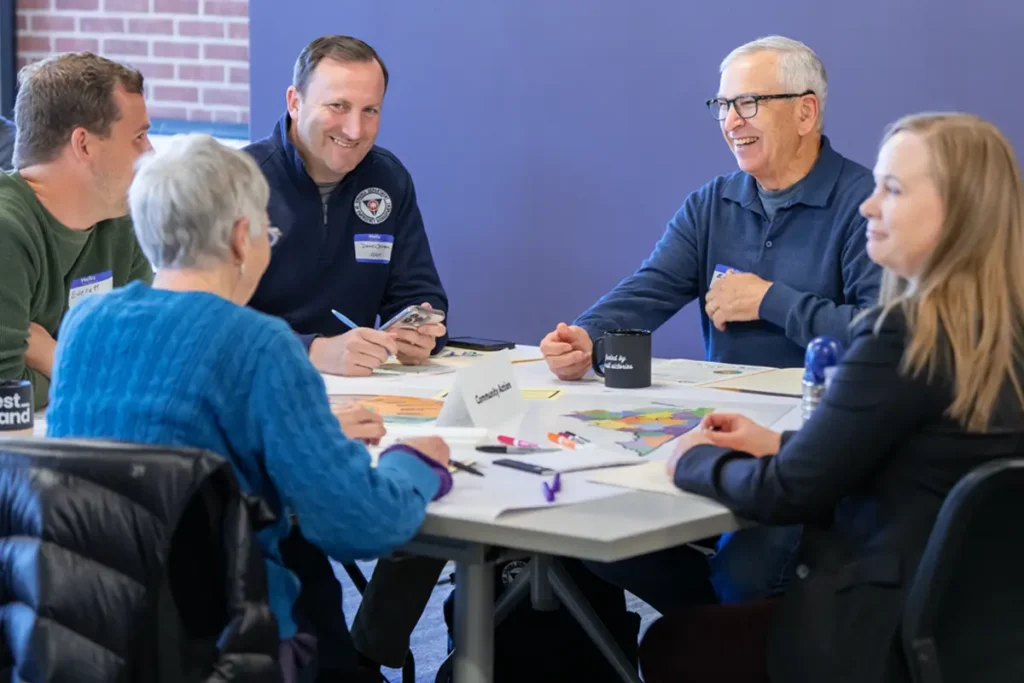
RVCA working groups are where ideas turn into action. They provide a forum to tackle high-priority issues like energy, water infrastructure, transportation, and economic development.
Bringing together stakeholders from across Central and Southwest Virginia, these groups focus on building capacity, developing and implementing projects, engaging communities, sharing knowledge, and setting measurable goals. Through collaboration and peer-to-peer exchange, they help chart a regional roadmap for climate resilience and stronger, more connected communities.
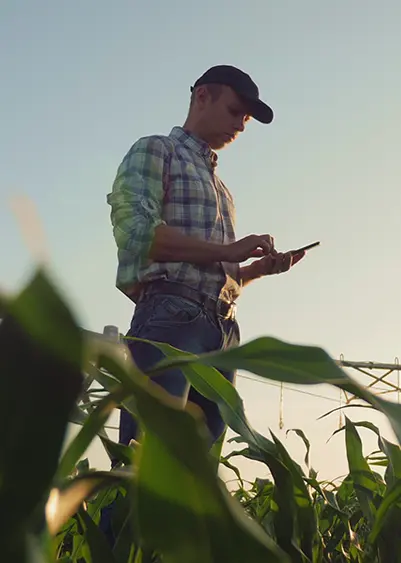
Agriculture and Food Systems Working Group
Clean Transportation Working Group
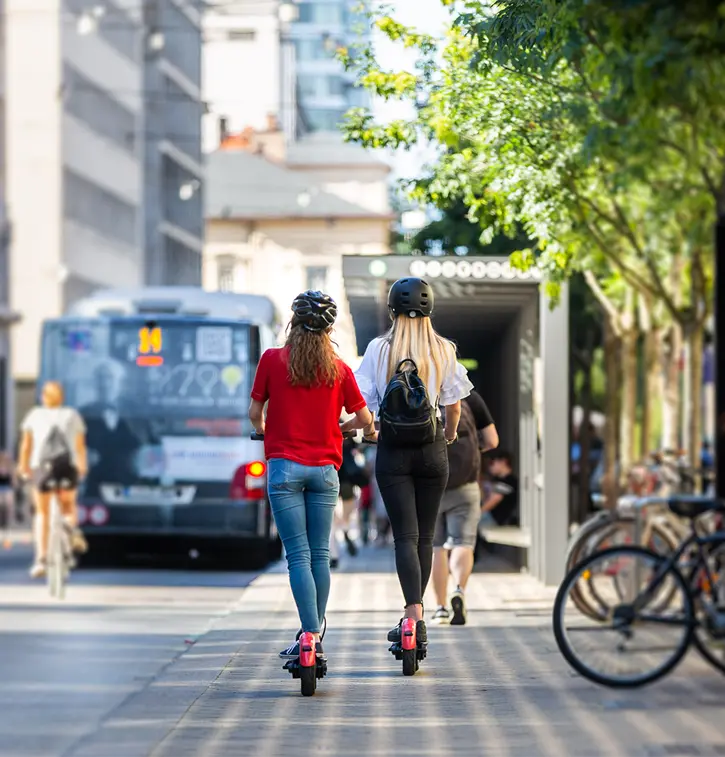
Join us on April 15 at 12:00 p.m. for an engaging Workgroup Session in celebration of Drive Electric Month, featuring special guest speaker Alex Baad of EVNoire.
This session will explore how electric vehicles are shaping the future of transportation, with a focus on equity, accessibility, and community impact. Alex brings a dynamic perspective on expanding EV adoption and ensuring no community is left behind in the transition to clean transportation.
Don’t miss this opportunity to connect, learn, and be part of the movement driving us toward a more sustainable future.
We will also get an in-depth look at Resilient Virginia’s Regional Roadmap which was recently published.
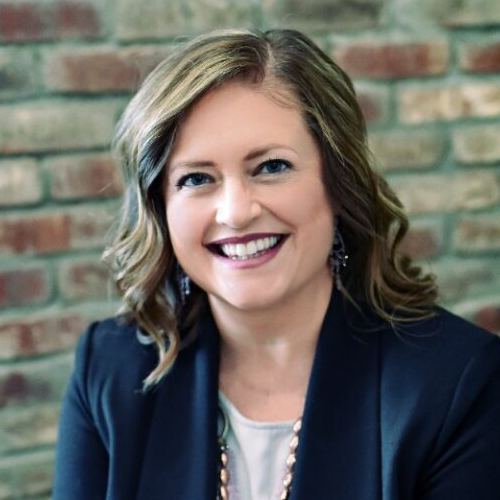
The Clean Transportation Working Group focuses on addressing climate resilience challenges in transportation, sharing best practices, and exchanging knowledge. It is currently co-led by Tarah Kesterson of Virginia Clean Cities and Tracy Garland of WSP. The group meets monthly on the third Wednesday from 12:00 to 1:00 p.m.
Water Infrastructure Working Group
RVCA Working Group Leaders
THE CLEAN TRANSPORTATION WORKING GROUP
Tarah Taylor Kesterson
THE CLEAN TRANSPORTATION WORKING GROUP
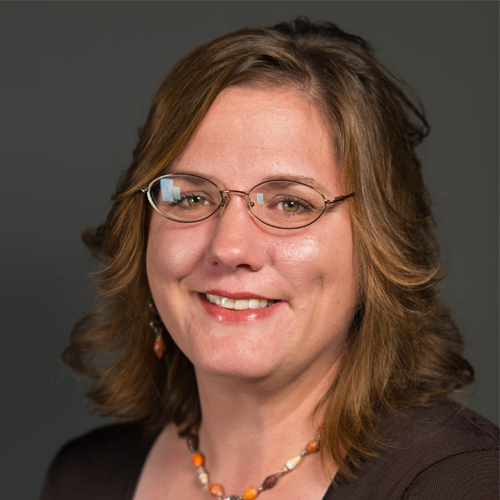
Tracy Garland
THE WATER INFRASTRUCTURE WORKING GROUP
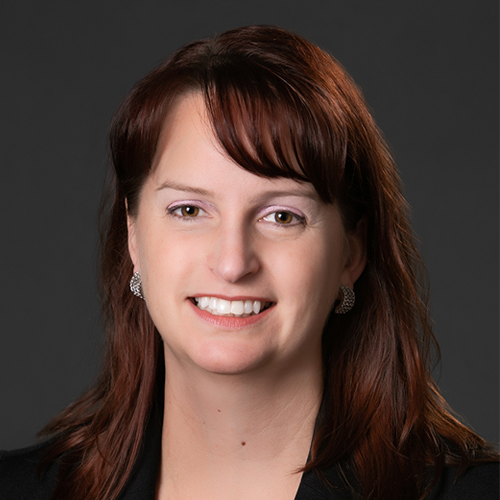
Denise Nelson
Denise Nelson is an Environmental Engineer and Planner, Certified Floodplain Manager, Envision Sustainability Professional, and LEED Accredited Professional, with 24 years of experience in sustainable development, community and coastal resiliency, stakeholder engagement, and creating training tailored for adult learners. Her background as a design engineer and more recent work in community development, policies, and stakeholder engagement provides extensive transferable knowledge for community planning, policy analysis, collaboration building, conceptual design, and grant applications (she has won over $82 million in grant funding for her clients since 2018).
Denise Nelson Advising (DNA) is a small, women-owned business (SWaM) focused on sustainable and resilient infrastructure solutions. Based in Richmond Virginia, DNA was founded in 2024 to provide support to government agencies in Virginia, the US, and nationally. DNA is a sole proprietor business backed by partnering organizations and a vast network.
THE AGRICULTURE & FOOD SYSTEMS WORKING GROUP
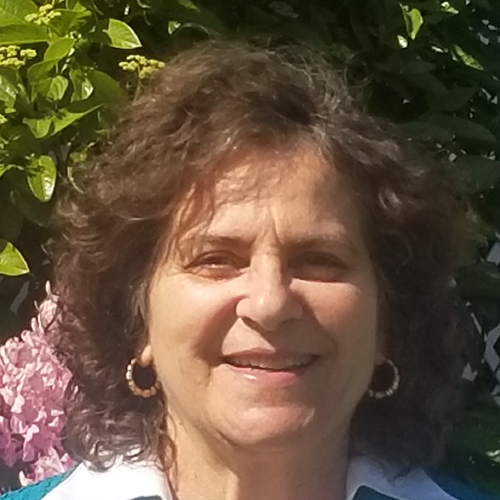
Annette Osso
Annette Osso, LEED AP, is an environmental professional with extensive experience in resiliency, green building, energy, and sustainable development. In 2024 she retired as Director of Resilient Virginia, which she formed in 2014. The mission of the organization is to address the growing need for local governments and communities to develop climate resiliency planning strategies. She instituted the organization’s biennial resilience conferences, a resiliency education platform, and local resiliency projects. Given her on-going interest in maintaining vibrant statewide agricultural and forestry enterprises that support healthy food systems and sustainable agriculture practices, she is serving as Leader of the RVCA Agriculture Working Group. For 18 years prior to this, she led Virginia Sustainable Building Network (VSBN) and facilitated that organization’s leadership role in promoting Green Building and Sustainable Development statewide through development of state-level projects, conferences, and technical training for the design, construction, and building management sectors. She also served as Board Member and Advocacy Chair for the US Green Building Council-National Capital Chapter. Prior to VSBN, she made significant contributions in environmental awareness and energy efficiency policy and programs by spearheading both local organizations and working with national organizations, including Environmental Action Foundation, National Association of Counties, and National Association of State Energy Officials.
Annette Osso has a Masters in Anthropology from George Washington University, and additional training in Green Building and Climate Communications. She is a long-time organic gardener and orchardist.
Invest in Regional Resilience
Investing in Resilient Virginia demonstrates leadership in building a resilient, sustainable, and equitable future across the Commonwealth. Your support fuels high-impact programs, fosters cross-sector collaboration, and drives practical initiatives that strengthen community preparedness and long-term resilience.
Through the RVCA Investment, you help align regional partners, build local capacity, and accelerate community-driven solutions—sustaining the people, systems, and strategies that are shaping Central and Southwest Virginia’s resilient future.