
Smart Growth Online
The Smart Growth Network works to encourage development that boost the economy, enhance community vitality, and protect the environment.

The Smart Growth Network works to encourage development that boost the economy, enhance community vitality, and protect the environment.

RestoreYourEconomy.org provides resources and best practice information for public and private stakeholders seeking to rebuild their local economies after a disaster as well as assisting the business community in preparing for a disaster.

The Resilient Strategies Guide for Water Utilities helps identify planning priorities, vulnerable assets, potential adaptation strategies, and available funding sources.

The Resilient Power Project’s goal is to advance clean energy equity and build energy security in critical community facilities.
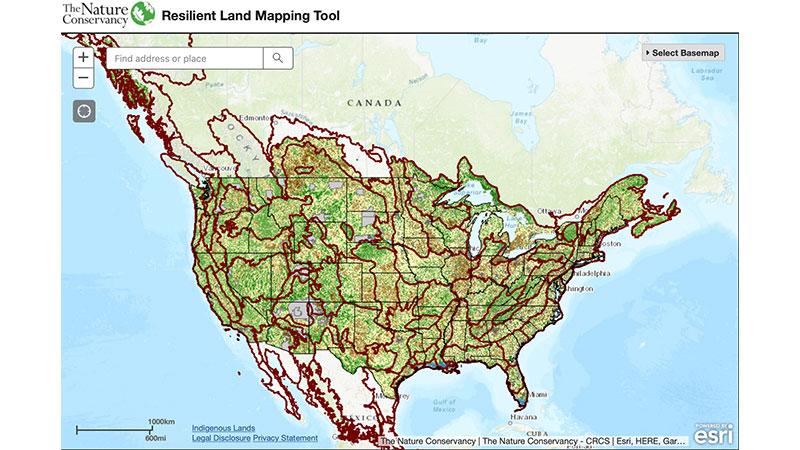
The Nature Conservancy’s (TNC) Customized Resilient and Connected Network (RCN) represents a version of the national dataset that has been reviewed and augmented by science and conservation staff in each of TNC’s seven North America Divisions.
The Resilient Cities Network consists of member cities and Chief Resilience Officers from the 100 Resilient Cities program, started by the Rockefeller Foundation. This network engages city leaders, communities, and the private sector to enable transformational change in cities through support of resilience plans and early implementation of projects.
The information, tools, and resources offered here address preparedness, adaptation, and resilience-building for a changing climate. This resource explains what “adaptation success” looks like and how to track progress toward it, and offers ways to think and use tools to help find tailored answers.

Regeneration International (RI) promotes, facilitates, and accelerates the global transition to regenerative food, farming and land management for the purpose of restoring climate stability, ending world hunger, and rebuilding deteriorated social, ecological, and economic systems.
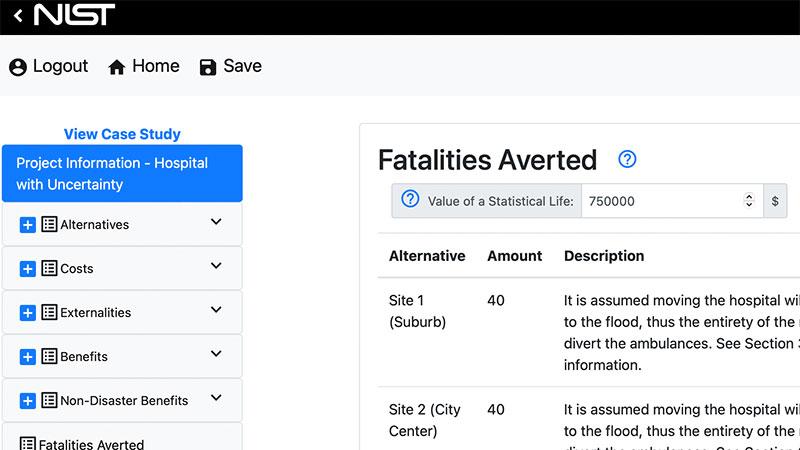
NIST’s Economic Decision Guide Software tool can be used to select cost-effective community resilience projects.
The Smart Growth Network works to encourage development that boost the economy, enhance community vitality, and protect the environment.
RestoreYourEconomy.org provides resources and best practice information for public and private stakeholders seeking to rebuild their local economies after a disaster as well as assisting the business community in preparing for a disaster.
The Resilient Strategies Guide for Water Utilities helps identify planning priorities, vulnerable assets, potential adaptation strategies, and available funding sources.
The Resilient Power Project’s goal is to advance clean energy equity and build energy security in critical community facilities.
The Nature Conservancy’s (TNC) Customized Resilient and Connected Network (RCN) represents a version of the national dataset that has been reviewed and augmented by science and conservation staff in each of TNC’s seven North America Divisions.
The Resilient Cities Network consists of member cities and Chief Resilience Officers from the 100 Resilient Cities program, started by the Rockefeller Foundation. This network engages city leaders, communities, and the private sector to enable transformational change in cities through support of resilience plans and early implementation of projects.
The information, tools, and resources offered here address preparedness, adaptation, and resilience-building for a changing climate. This resource explains what “adaptation success” looks like and how to track progress toward it, and offers ways to think and use tools to help find tailored answers.
Regeneration International (RI) promotes, facilitates, and accelerates the global transition to regenerative food, farming and land management for the purpose of restoring climate stability, ending world hunger, and rebuilding deteriorated social, ecological, and economic systems.
NIST’s Economic Decision Guide Software tool can be used to select cost-effective community resilience projects.